.png)


The two performances I think about most from my three weeks at the Aspen Music Festival and School did not happen in a concert hall. One was in a public library on a Friday afternoon. The other was in a room full of physicists. Neither had a proper stage, and I am no longer sure either of them needed one.
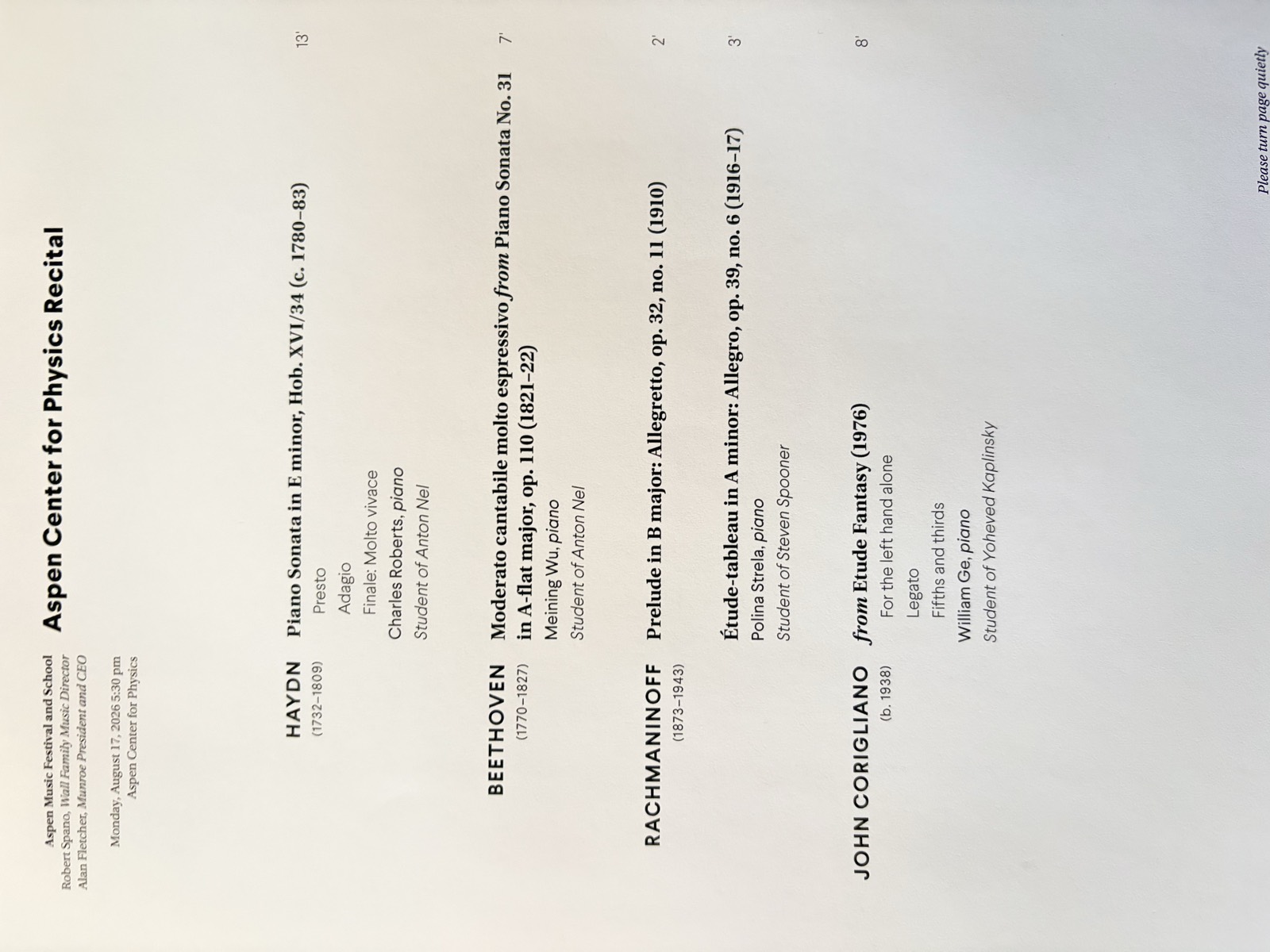
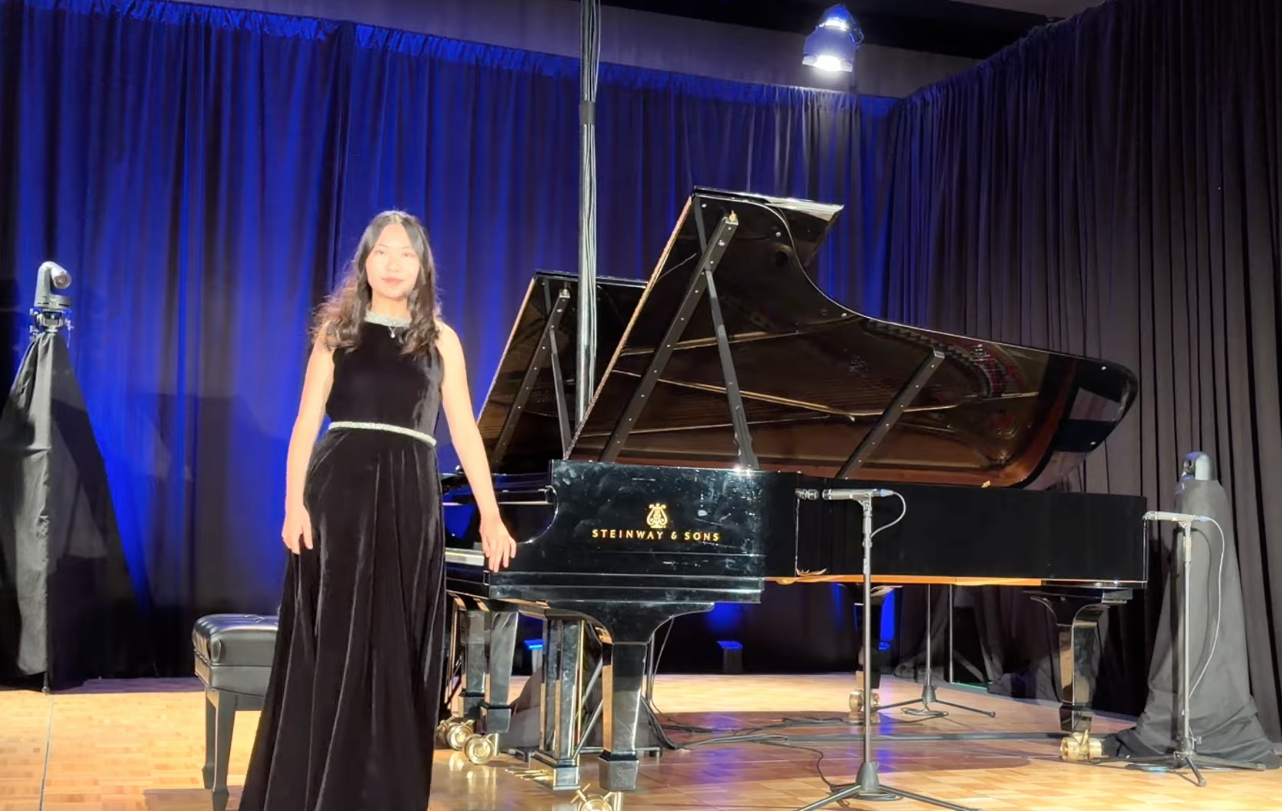
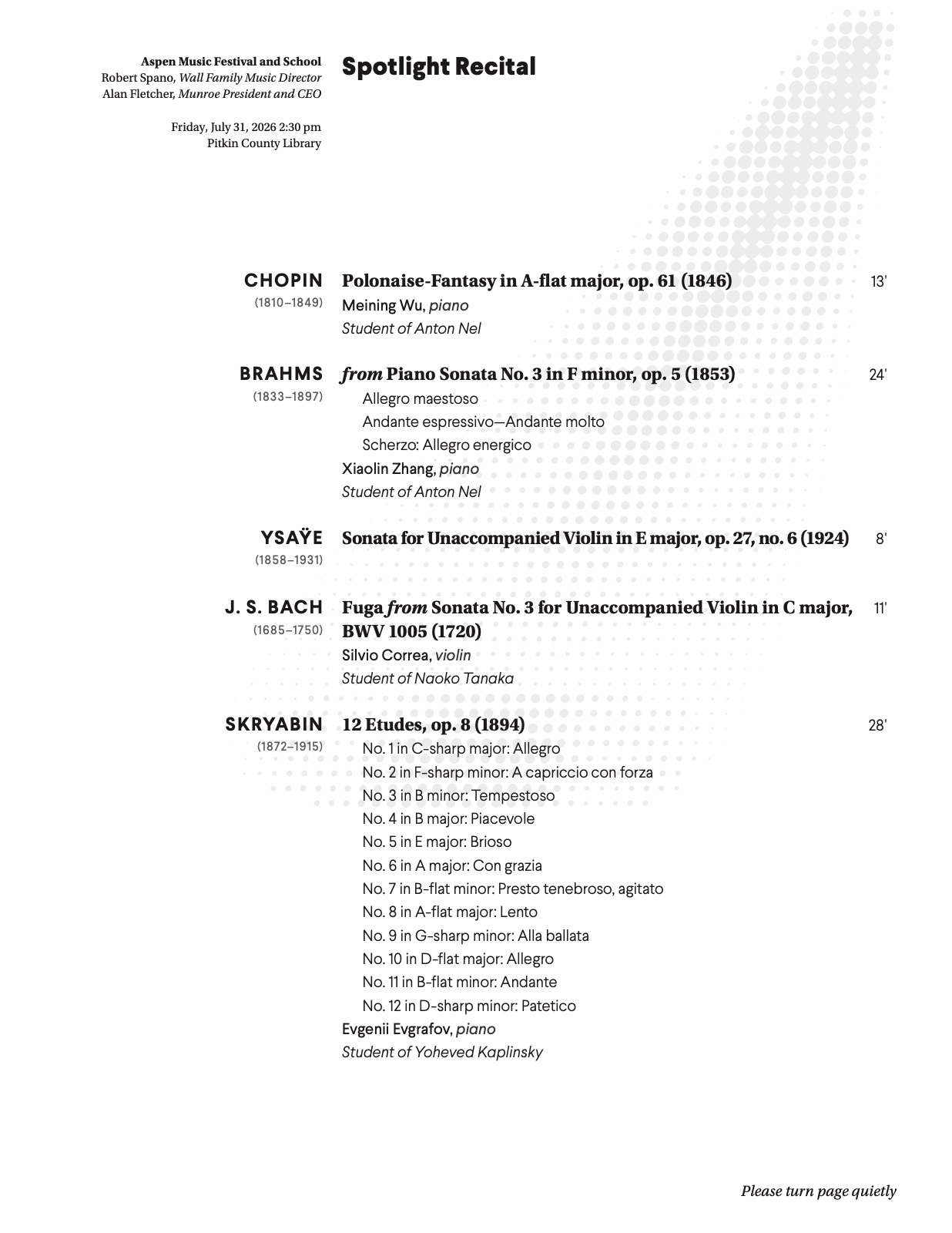
The first was a Spotlight Recital at the Pitkin County Library on July 31, where I played Chopin’s Polonaise-Fantasy in A-flat major, op. 61. A library is an honest room. There is no wing to wait in, no darkness to walk out of, no distance between you and the people listening. Some of them had come for the music. Some of them had come to return a book and stayed. At the bottom of the program, in small italics, was the instruction “Please turn page quietly”—a reminder that this was a building with other business going on around us. I have never been more aware that the audience was simply a group of people who happened to be there.
The second was on August 17 at the Aspen Center for Physics, where I played the Moderato cantabile molto espressivo from Beethoven’s Piano Sonata No. 31 in A-flat major, op. 110. Seven minutes of some of the most inward music Beethoven ever wrote, for an audience who spend their working lives on questions that do not resolve either. Nobody in that room was evaluating my octaves. They were just listening, the way you listen to something you did not expect to be handed on a Monday evening.
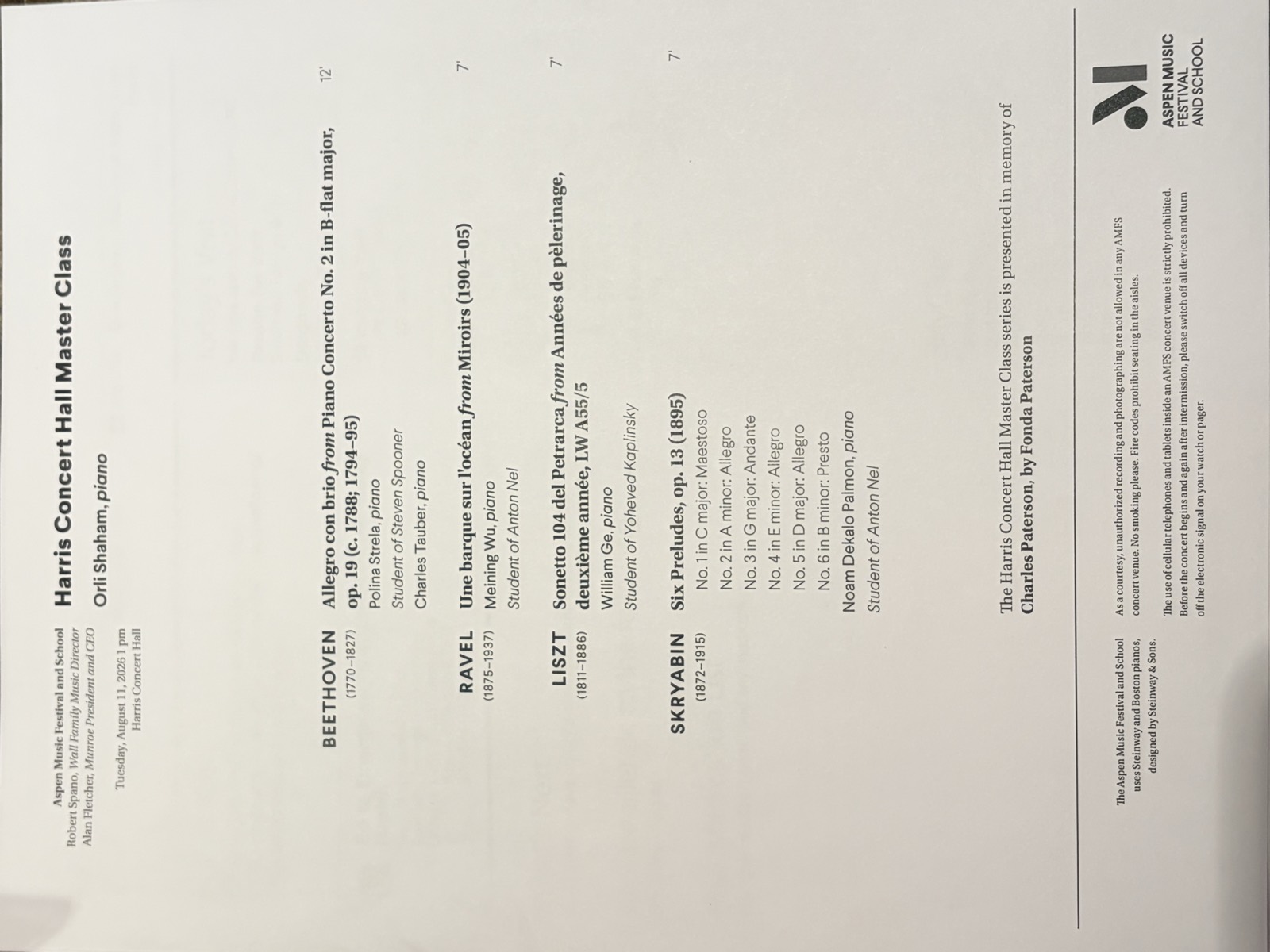
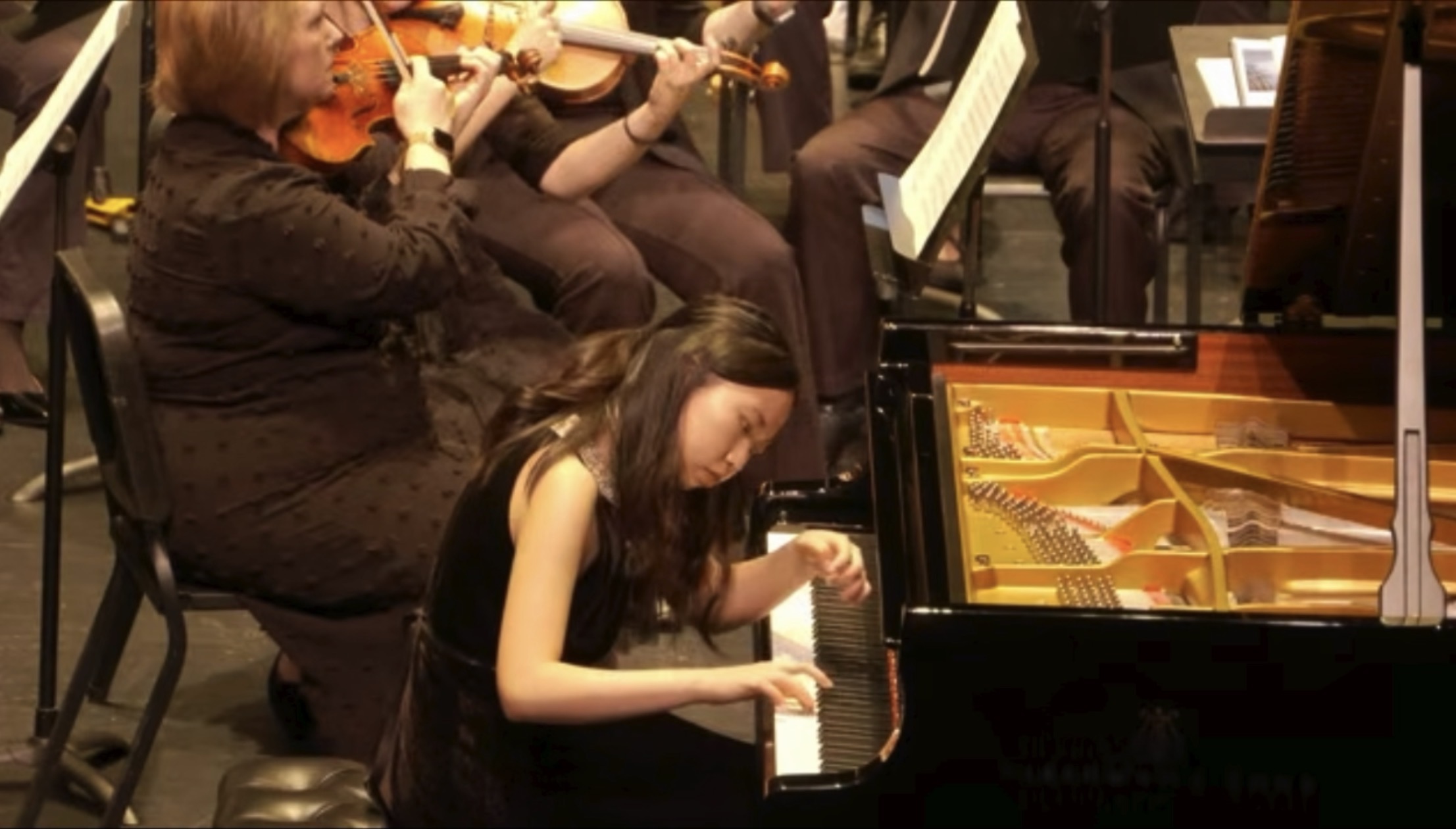
I had a third appearance that summer that could not have been more different: a master class in Harris Concert Hall with Orli Shaham on August 11, where I played Ravel’s “Une barque sur l’océan” from Miroirs. That one was a real stage, real lights, a full hall—and the point of it was not the performance at all. The point was being taught in public, in front of everyone, which is its own particular kind of exposure. Three weeks, three rooms, and the grandest of them was the one where I was explicitly still learning.
I came home thinking about how much of classical music’s difficulty is architectural. We have built the art form into buildings that announce, before a single note, who belongs inside them. But the music does not require the building. Chopin worked in Parisian drawing rooms; Beethoven wrote Op. 110 for nobody in particular. The concert hall is a delivery mechanism we mistook for the thing itself. This is not an abstract point for us at Equal Keys for All—it is our entire operating premise. Every Sunday we teach in a school hall in San Jose, with folding chairs and a piano against the wall and a room that was designed for something else. For a long time I quietly thought of that as the compromise version. After a library and a physics center, I do not think it is a compromise at all. It is simply where the music is.
Our fall season opened on August 23, and I walked in with all of this still in my ears. Our students will not spend the next few months preparing to earn their way into a hall. They are going to play in the room we have, for the people who are in it, which is what nearly every musician in history has actually done. If our students learn only one thing from me this year, I hope it is this: you do not need permission, and you do not need a stage. You need a piano and somebody willing to listen.